


When the startup I worked at in Dublin was acquired, I had to choose beteen a safe corporate career in Atlanta or a total leap into the unknown in Dubai. It was a classic case of certainty vs. uncertainty.
Using Jeff Bezos's principle of reversible decisions, I asked myself, what would I regret more? Playing it safe, or leaping into the unknown?
Eight years later, I'm still in Dubai.

I had to make a bold call, just like anyone deciding whether to leave corporate for a startup. That risky move led me to lead digital marketing for the world’s tallest building and largest mall. Opportunities I never imagined back in Dublin. I learned every major decision is a bet. Perfect clarity is a myth and by the time you have all the answers, the opportunity is gone.
Why startups fail when they wait for perfect data
Every day I see startup teams struggling with:
Endless meetings, demanding more data.
Founders overanalysing the market while competitors launch.
Product teams optimising spreadsheets instead of shipping features.
It’s a brutal reality. Sometimes, your startup marketing plan is your biggest risk, especially if it keeps you stuck in planning while competitors move fast.
Remember Color? They raised $41M pre-launch and drowned in analysis. While they perfected spreadsheets, Instagram launched fast, learned from users, and dominated the market. More data often means slower decisions, not better ones. And in startups, time kills all.
The best founders gather essential data, trust their gut, and move. Because in the time others spend chasing certainty, they're already testing, learning, and winning.
How over preparation killed my google interview
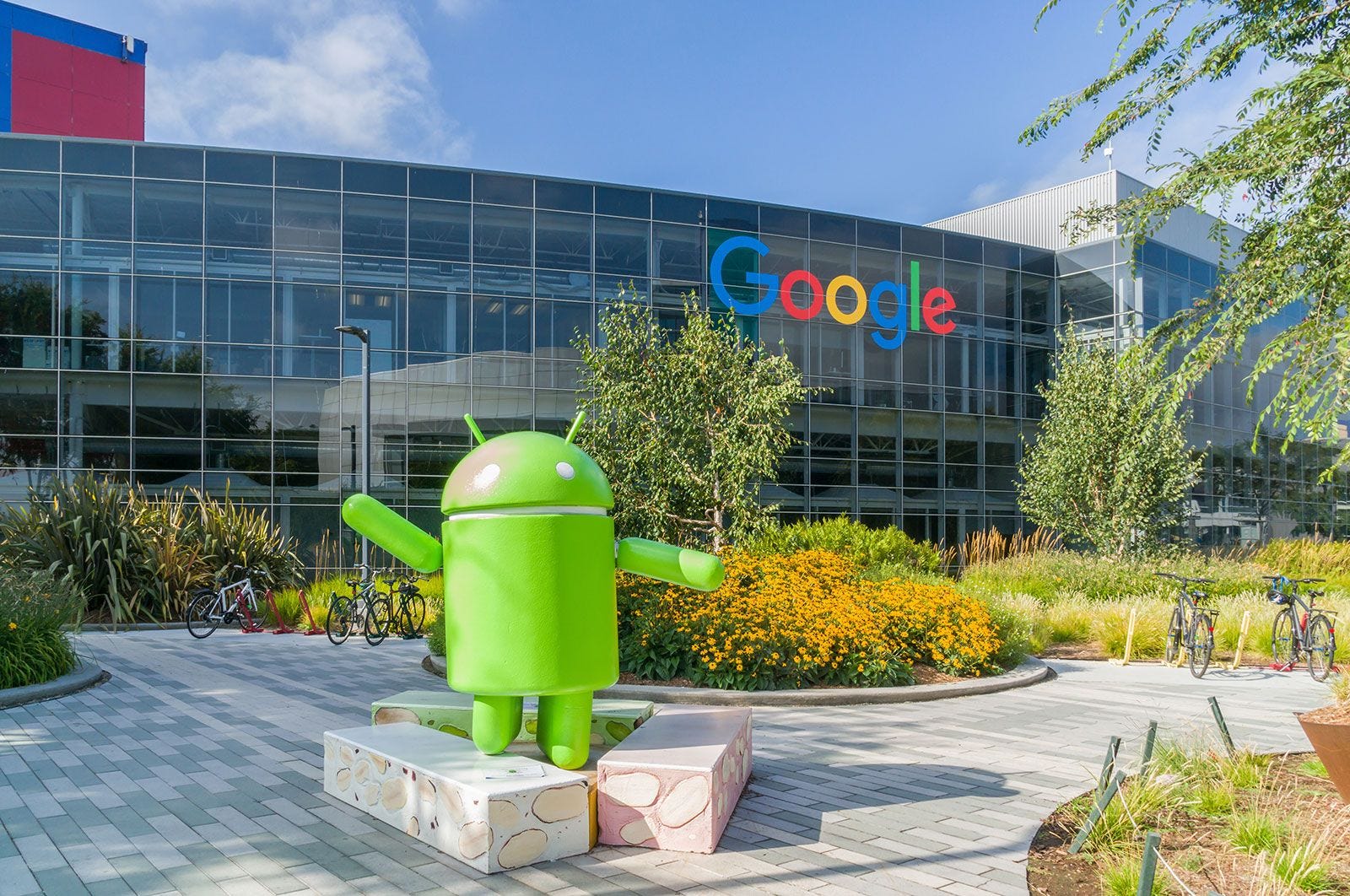
After sailing through the first interview, I made a fatal mistake. For the final round, I convinced myself I needed to know everything about Google's strategy, products, and market position.
The interview starts.
My turn. I open my mouth. Nothing.
My brain locks up.
Five days of cramming, gone.
They ask me a basic question. I blank.
Google Analytics vs. AdWords something I use daily. And I can't answer.
This was my analysis paralysis nighmare.
All that preparation had actually killed my natural instincts and expertise. Instead of trusting my experience, I got stuck trying to recall memorised facts. I can still picture the interviewers bewildered faces, probably wondering how this tongue-tied mess had made it to the final round.
Over-preparation can actually sabotage your performance.
The Bezos decision framework (the 70% rule)

Bezos's secret to rapid decisions? Move at 70% certainty.
Above 90%? You're too slow
Below 50%? You're reckless
At 70%? You're in the sweet spot
The key question he asks:
Is this decision reversible?
For reversible decisions (two-way doors), act fast. The danger isn't making mistakes. It's standing still while opportunities pass.
Adding a feature to your app?
Skip the weeks of research. Launch a quick test with 5% of users and let real behavior guide you. It’s the same lesson Seth Godin teaches about startup growth, act, don’t wait.
How to make rapid decisions
Focus on high-impact decisions
Not every decision matters. Most actually don’t matter at all. Will this impact revenue, user growth, or product adoption? If the answer is yes, give it your attention. If not, move on.
Example:
If you’re debating a pricing change, that’s high-impact.
If you’re stuck choosing a font for your landing page, that’s a distraction.
Combine core metrics with gut feel
You don’t need a 20-slide deck to make a call. Pick two or three key metrics that tell you what’s really happening. Ignore vanity stats. Then, trust your experience. If something feels right based on past wins or lessons from failures, that’s data too.
Example:
If retention is dropping and you know from experience that faster onboarding improves conversion, you don’t need a full report. You already know the answer. Act on it.
Run quick low-risk tests
Stop debating, start testing.
Launch to 5% of users.
Try new pricing in one market.
Test ad creative for 48 hours.
Feedback beats endless research every time.
Remember you don't need perfect data. You need enough insight to move forward, measure results, and adjust quickly.
Every decision is a bet, not a certainty.
Stop asking should we launch?
Start asking what's the probability this boosts revenue 5%? Don't debate the whole feature launch. Test it with a small group and let the results speak. Pick that decision you've been stuck on.
I've lived both sides of this story.
And like everything in business, experience teaches you the lessons you wish you knew sooner which is something I’ve written about here. I almost missed Dubai and the opportunity of a lifetime by choosing safety. Bombed at Google by drowning in preparation.
I learned success isn't built in meeting rooms or spreadsheets. It comes from making calculated moves and adapting fast.
See you out there.
Martin
P.S. This week's soundtrack "Destination Unknown" by Missing persons.
Tool of the week: Random Dice
Take the decision out of your hands, just for a moment.
Roll a die. Flip a coin.
Let randomness break the deadlock.
Book of the Week
Thinking in Bets: Making Smarter Decisions When You Don’t Have All the Facts – by Annie Duke
Poker champion Annie Duke breaks down how to think in probabilities. Separating luck from strategy, managing risk, and playing the long game in business.

Very good read, Martin.
Thank you!
I’ve seen data overload far too much in my experience and tried to guide my decision making by a bit of gut, once I got enough data.
The key is knowing when is enough.
Again, it’s gut feeling, plus a bit of experience.
Loved the 70% bit from Jeff Bezos.
Thank you for incorporating 2 of your real-world examples here.
I recently suffered from over-preparation in an interview. Instead of relying on my foundation of knowledge and instincts, I was stuck trying to recite the perfect script I had dreamt up.
Allowing yourself the freedom to make decisions is an important step - perfection can paralyze.